Houston, TX
Travertine is one of the oldest and most fascinating natural stones used in architecture and design. Its unique formation process — taking place over thousands or even millions of years — gives travertine the distinctive character, durability, and beauty that have made it a favorite building material since ancient times. Here's the story of how travertine forms in nature, why it matters, and what it means for your pool deck or patio in Houston.
Travertine is a form of limestone — specifically, a sedimentary rock composed primarily of calcium carbonate (CaCO₃). But unlike most limestone, which forms in deep oceans over millions of years, travertine forms relatively quickly in a very specific environment: hot mineral springs and groundwater systems. This unique formation process gives travertine its characteristic appearance — fibrous, banded, and full of small natural cavities or "vugs."
Travertine forms when groundwater rich in dissolved calcium carbonate emerges at the Earth's surface — typically through hot springs, geysers, limestone caves, or river systems. As this mineral-rich water reaches the surface, several geological processes happen simultaneously:
1. Calcium-rich water travels underground. Rainwater absorbs carbon dioxide from the air, becoming slightly acidic. This acidic water seeps through limestone bedrock and dissolves calcium carbonate, picking up minerals as it travels.
2. Geothermal heating intensifies the process. When this water passes through hot rocks deep in the Earth, the heat increases the water's capacity to dissolve more minerals. The water becomes saturated with calcium, magnesium, sulfur, and other minerals.
3. Pressure and temperature drop at the surface. When the hot mineral water finally emerges through hot springs or fissures, the dramatic temperature drop and atmospheric pressure release cause carbon dioxide to escape from the water — like opening a soda bottle. This shifts the chemistry, and the dissolved calcium carbonate begins to precipitate (turn back into solid form).
4. The stone builds up layer by layer. Each time mineral water flows over the same area, more calcium carbonate is deposited. Over centuries and millennia, these layers build up into substantial deposits — sometimes forming massive terraces, hills, and even entire valleys made of travertine.
Travertine forms relatively fast in geological terms, but slowly in human terms. A typical travertine deposit grows about 1-3 millimeters per year — meaning a 1-inch (25mm) thick layer takes 8-25 years. The travertine deposits being quarried today were formed thousands to millions of years ago, often during periods when the climate was warmer and wetter than today.
One of travertine's most distinctive features is the small natural cavities (technically called "vugs") visible in many travertine pieces. These holes form during the deposition process when:
• Trapped gases (carbon dioxide) try to escape through the building stone
• Plant material, leaves, or organic matter become embedded and later decay
• Ancient algae or bacteria colonies leave behind their imprint
These holes are part of travertine's natural character. Higher-grade travertine has fewer holes, while more rustic varieties have more pronounced texture. Both are equally durable — the holes don't weaken the stone significantly when it's properly used in flooring or paving applications.
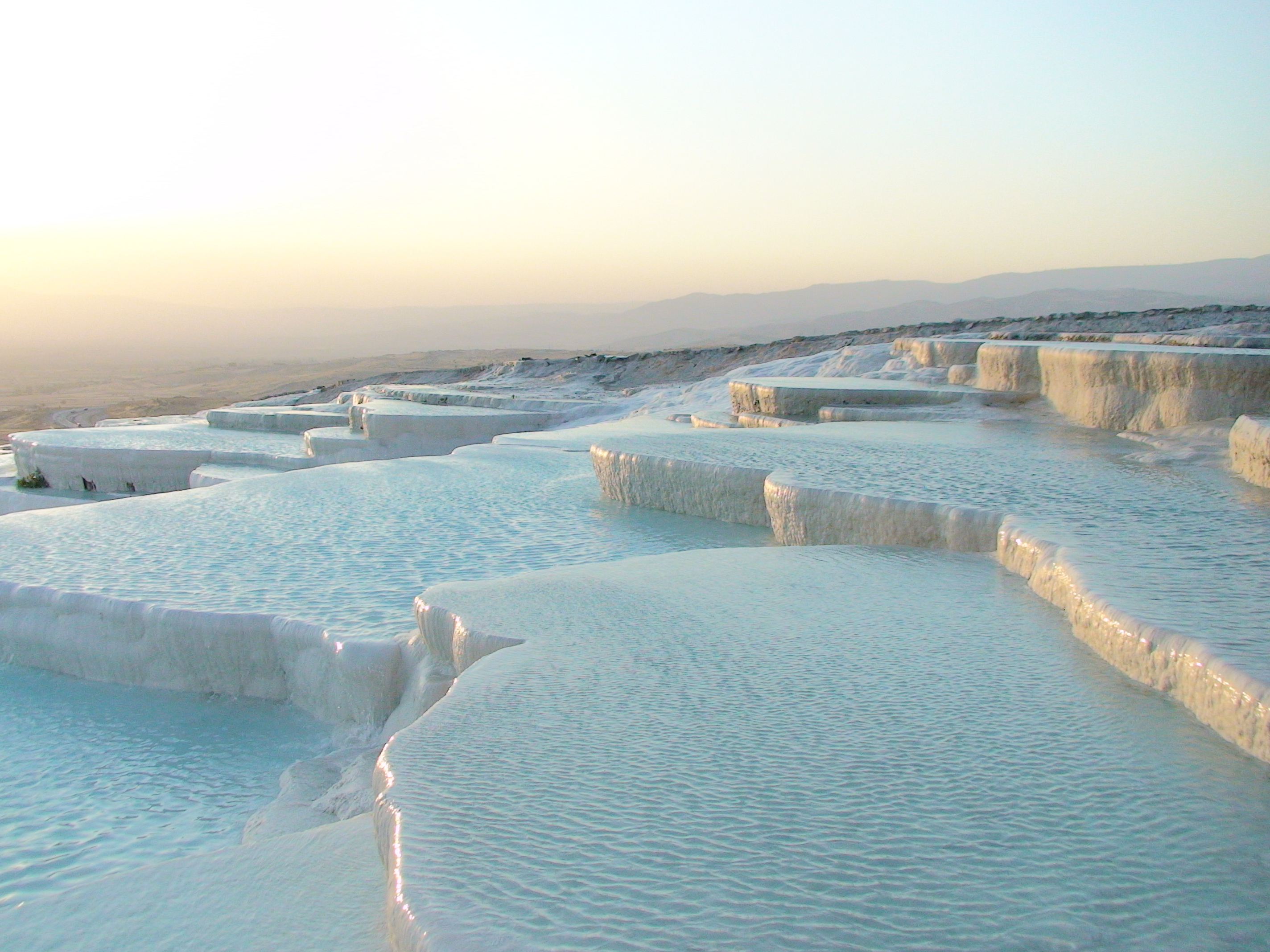
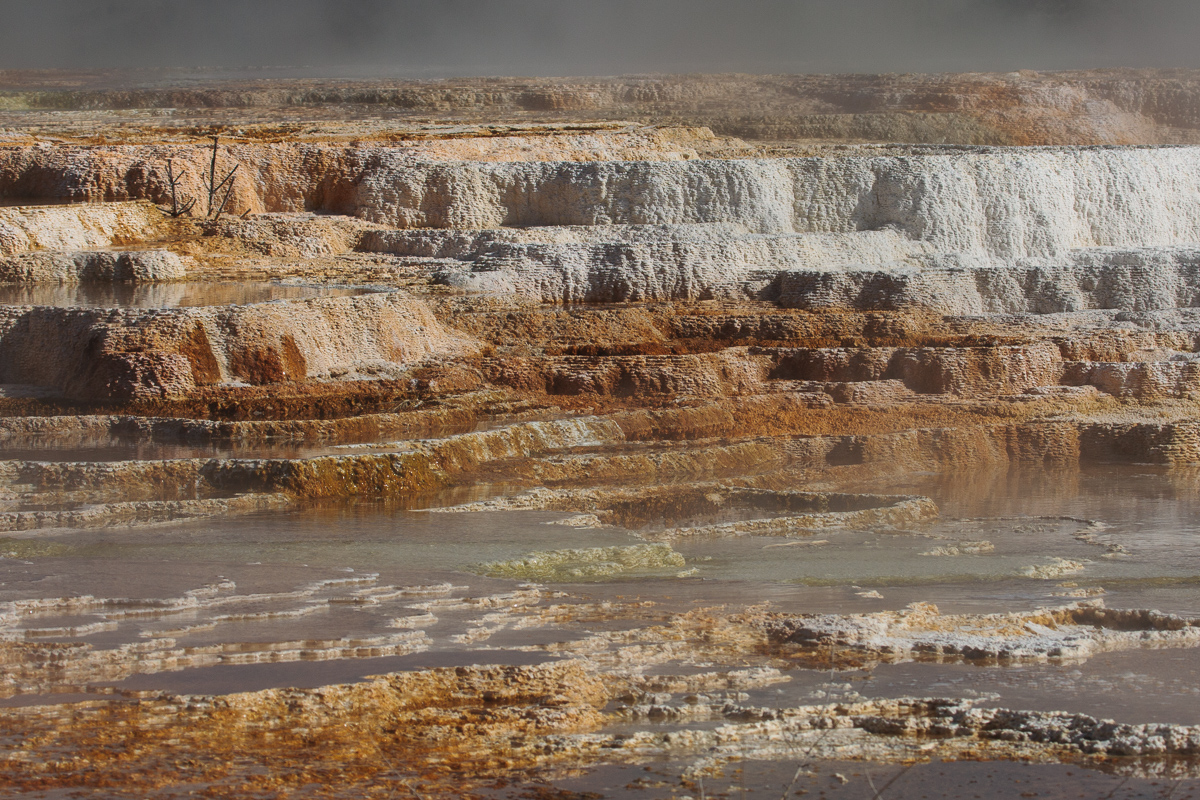
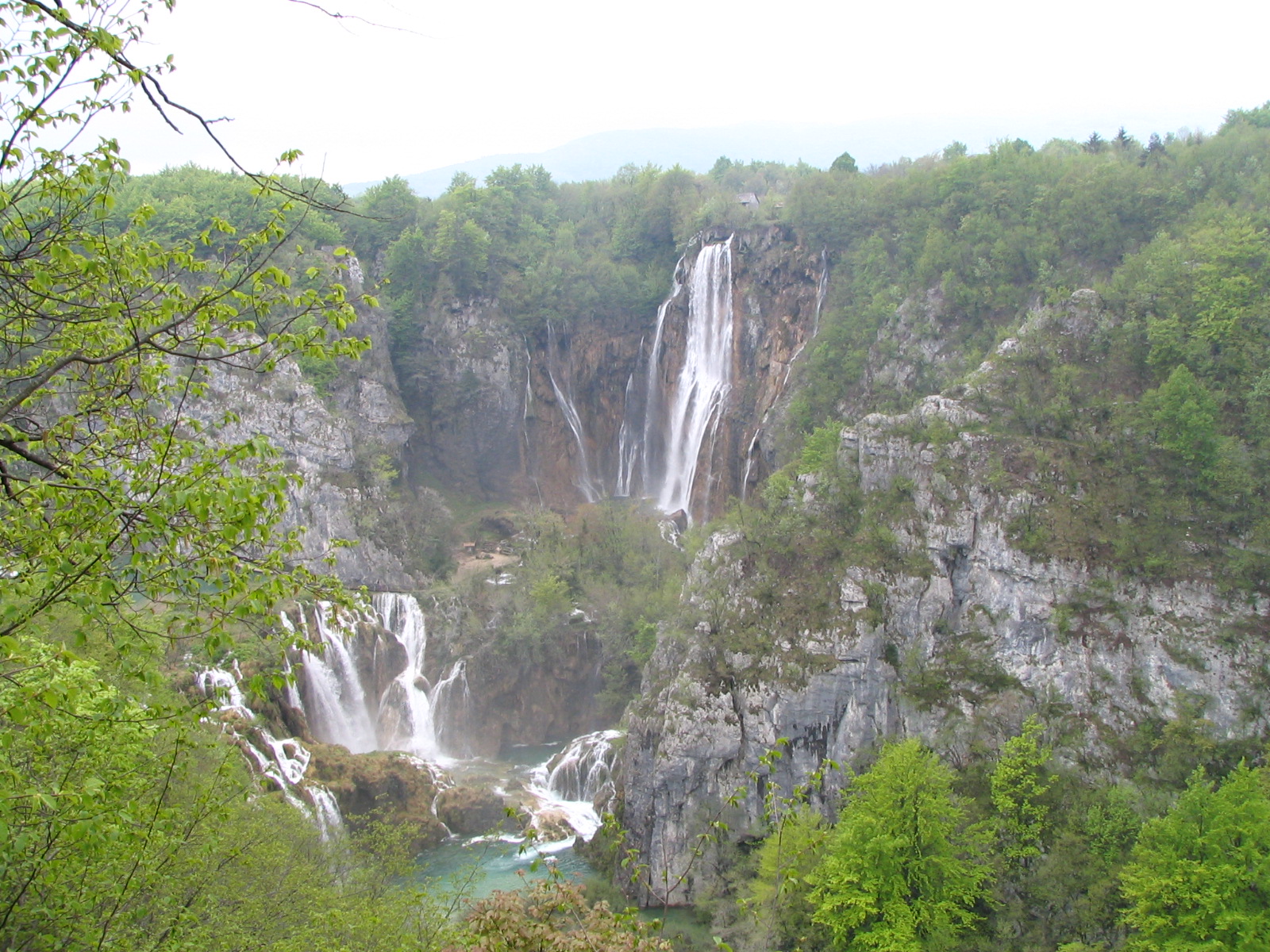
The story of travertine is best told through the breathtaking natural formations where this stone is still being created today. These geological wonders show the same processes that created the travertine in your Houston pool deck:
Turkey produces some of the world's finest travertine for several reasons. The country sits on a geologically active region with abundant hot springs and limestone bedrock — ideal travertine-forming conditions over millions of years. Turkish travertine quarries access deposits with excellent color consistency, density, and structural integrity. The Denizli region in particular (near Pamukkale) produces travertine that is remarkably uniform, durable, and beautiful.
At Distinct Stone Solutions, we import directly from Turkish quarries — bringing this geologically magnificent stone from its source to Houston. When you walk on travertine in your Houston pool deck, you're walking on stone that took thousands of years to form, then traveled across the world to reach your home.
The unique formation process gives travertine properties that make it exceptional for outdoor use:
Density and strength: The layered formation process creates a stone that is dense, durable, and three times stronger than concrete.
Heat resistance: The natural mineral composition reflects rather than absorbs heat — keeping travertine surfaces cool even in extreme Houston summers.
Slip resistance: The natural porosity (those characteristic small holes) absorbs water rather than letting it pool, providing natural grip when wet.
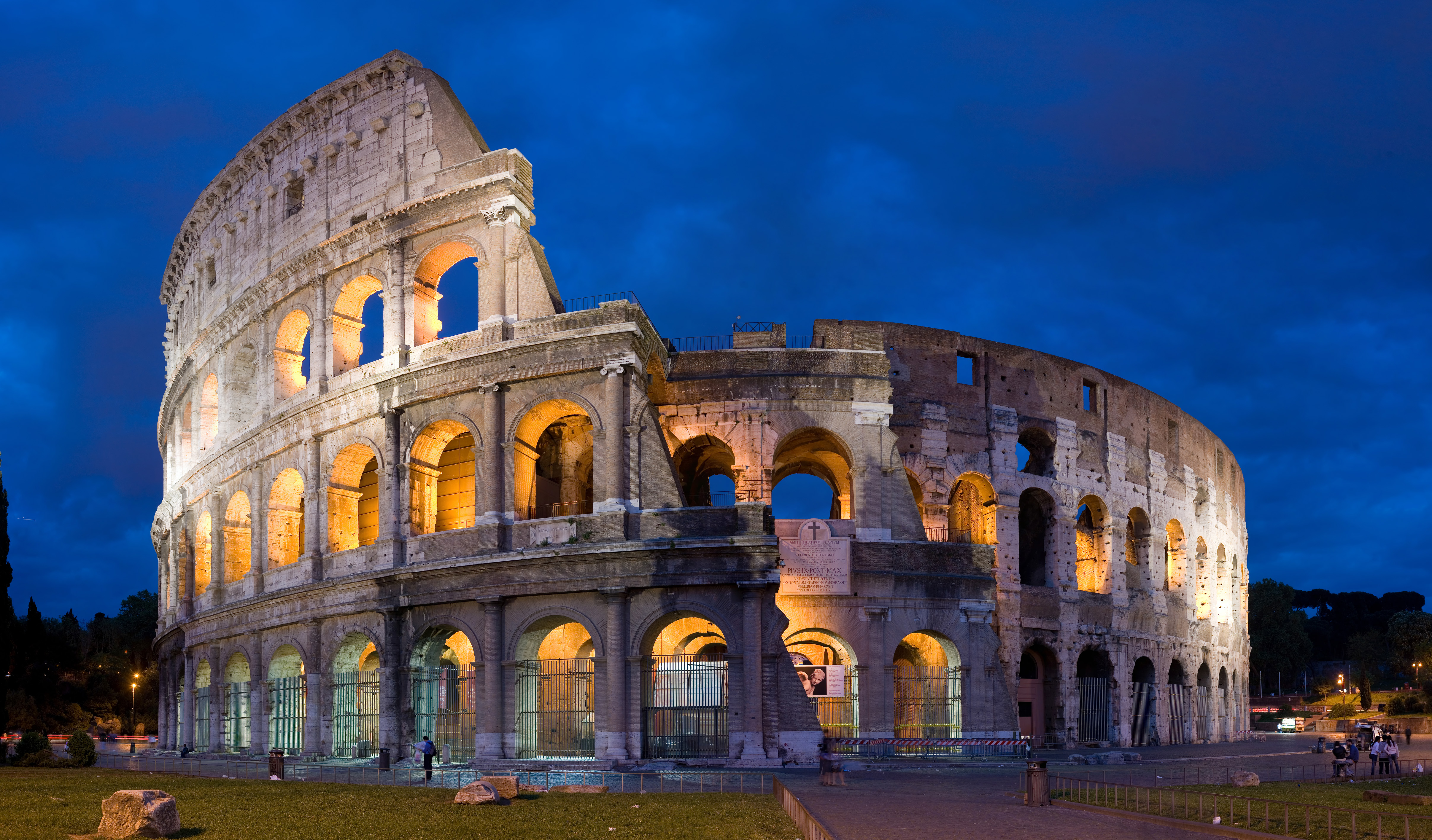
Longevity: Travertine is essentially permanent on human timescales. Roman travertine structures from 2,000 years ago still stand. Modern installations regularly last 50-100+ years.
Beauty: Each piece of travertine is unique, with natural color variations and subtle fossilized patterns reflecting its formation history.
The color of travertine comes from trace minerals deposited along with the calcium carbonate during formation:
• Iron oxide creates the warm browns and tans seen in colors like Walnut and Noce
• Manganese contributes to darker tones and the dramatic variations in colors like Scabos
• Pure calcium carbonate with minimal trace minerals creates the classic Ivory and creamy white travertines
• Iron and copper combinations create rust and gold streaks in multi-tone varieties
Understanding how travertine forms helps you appreciate what you're investing in. When you choose travertine for your pool deck or patio, you're not just buying a building material — you're bringing geological history into your home. Each piece carries the fingerprint of ancient hot springs, mineral-rich water, and slow geological time. The same processes that built natural wonders like Pamukkale created the stone in your backyard.
At Distinct Stone Solutions, we love sharing the stories behind our products. Visit our Houston showroom at 5703 Brittmoore Rd to see Turkish travertine in person. Our team can show you how different formations and quarries produce different colors and characters. Open Monday-Friday 7:30am-4pm, Saturday 9-10:30am. Call (832) 486-9617 or email info@dsstones.com.
Visit our showroom or give us a call. No appointment necessary.
Contact Us Get Directions